
LCL Reconstruction Specialist in California
A trauma, sports injuries or a direct blow on the knee may cause lateral collateral ligament (LCL) tear or injury leading to instability of the knee. Dr. Pallia provides diagnosis and LCL repair and reconstruction surgery in California. Dr. Pallia also provides the highest level of care during and after the surgery. Contact Dr. Pallia’s office for an appointment today!
What is LCL Reconstruction Surgery?
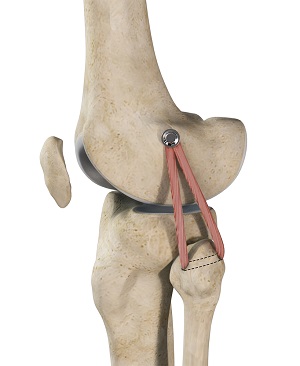
LCL reconstruction is a surgical procedure to repair torn or damaged lateral collateral ligament in the knee using a tissue graft taken from another part of the body, or from a donor.
What is a Lateral Collateral Ligament?
The knee is the largest joint of the body and is stabilized by a set of ligaments. In the knee, there are four primary ligaments viz. anterior cruciate ligament (ACL), posterior cruciate ligament (PCL), medial collateral ligament (MCL) and lateral collateral ligament.
The lateral collateral ligament (LCL) is a thin set of tissues present on the outer side of the knee, connecting the thighbone (femur) to the fibula (bone of the lower leg). It provides stability as well as limits the sidewise rotation of the knee.
What are LCL Injuries?
Tears or injury of the LCL may cause instability of the knee that can be either reconstructed or repaired to regain the strength and movement of the knee.
What are the Causes of LCL Injuries?
The lateral collateral ligament may tear due to trauma, sports injuries or a direct blow on the knee. A torn LCL may result in pain, swelling and even instability of the knee.
How are LCL Injuries Diagnosed?
LCL injuries and a torn LCL can be diagnosed through a physical examination and by employing imaging techniques such as X-rays or MRI scans.
What is the Treatment for LCL Injuries?
The treatment of a torn LCL may include non-surgical interventions such as rest, ice, elevation, bracing and physical therapy to help reduce swelling and regain activity, as well as strengthen and improve the flexibility of the knee.
Surgery is recommended if non-surgical interventions fail to provide much relief. Surgical interventions include repair and reconstruction of the torn ligament. In case the ligament is torn from the upper or lower ends of attachment, then repair of the LCL is done with sutures or staples. If the ligament is torn in the middle or if the injury is older than 3 weeks, LCL reconstruction is recommended.
What Does the Procedure for LCL Reconstruction Involve?
LCL reconstruction involves the replacement of the torn ligament with a healthy tissue or graft. The tissue or graft can be taken either from a tissue bank (called allograft) or from your own body (called autograft). The type of graft used depends upon your condition and choice of your surgeon. Hamstring tendons are commonly used as autograft, as removal of such tendons does not affect the strength of the legs and effectively stabilizes the knee.
A small incision is made on the lateral side of the knee to perform the LCL reconstruction. The procedure is performed through an open incision and not arthroscopically. The thighbone and fibula are drilled precisely and accurately with specialized instruments to form tunnels. The ends of the tendon graft are passed through tunnels and are fixed by using screws, metal staples or large sutures. The knee is braced for 6-8 weeks.
What Does Postoperative Care Following LCL Reconstruction Involve?
Postoperatively, you will be instructed to:
- Use crutches to avoid weight bearing on the knee for at least 6 weeks.
- Use ice and prescribed medications to reduce swelling.
- Avoid lifting heavy weights or vigorous exercise.
- Follow rehabilitation programs or physical therapy to regain the motion and strength of the knee.
What are the Risks and Complications of LCL Reconstruction?
Some of the possible risks and complications associated with LCL reconstruction include:
- Chronic pain
- Knee weakness
- Knee instability
- Peroneal nerve injury
If you would like to have additional information on knee treatments or would like to learn more about LCL reconstruction, please contact Dr. Pallia, serving the communities of California.