
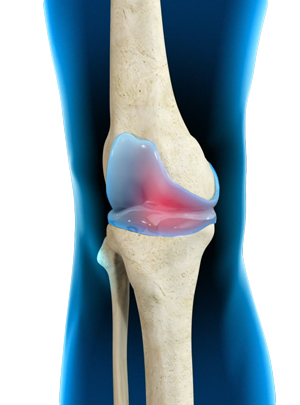
What is Plica Syndrome?
Plica Syndrome is a condition where the synovial plica, a fold in the synovial membrane of the knee, becomes inflamed or irritated, often leading to knee pain. This syndrome is commonly associated with repetitive movements, overuse, or trauma to the knee joint.
What are the Causes of Plica Syndrome?
Causes of plica syndrome include:
- Repetitive knee movements (common in athletes)
- Knee trauma or injury
- Overuse or excessive exercise
- Misalignment of the knee joint
What are the Signs and Symptoms of Plica Syndrome?
Signs and symptoms of plica syndrome include:
- Pain around the front or inside of the knee
- Swelling or a catching sensation in the knee
- Tenderness along the knee joint
- A feeling of clicking or snapping during movement
- Pain worsens with activities like squatting, running, or climbing stairs
How is Plica Syndrome Diagnosed?
Diagnosis of plica syndrome is typically made through a physical examination, review of medical history, and imaging studies like MRI or ultrasound to rule out other causes of knee pain like meniscus tears or ligament injuries. Sometimes, arthroscopy may be needed to confirm the presence of thickened or inflamed plica.
What is the Treatment for Plica Syndrome?
Treatment for Plica Syndrome focuses on reducing inflammation, alleviating pain, and restoring knee function. There are both conservative (non-surgical) and surgical treatment options depending on the severity of the condition.
Conservative (Non-Surgical) Treatments:
- Rest: Avoid activities that cause knee pain or irritation, such as running, jumping, or squatting.
- Ice Therapy: Applying ice to the affected area for 15-20 minutes several times a day can help reduce swelling and inflammation.
- Non-Steroidal Anti-Inflammatory Drugs (NSAIDs): Medications like ibuprofen or naproxen can help reduce pain and inflammation.
- Corticosteroid Injections: In cases of persistent inflammation, a doctor may inject corticosteroids into the knee joint to reduce swelling.
- Physical Therapy:
- Stretching exercises: To increase flexibility and reduce tension on the knee.
- Strengthening exercises: Focusing on the quadriceps and hamstrings to provide better knee support.
Surgical Treatment:
If conservative treatments are ineffective after several months, surgery may be considered:
- Arthroscopic Surgery: A minimally invasive procedure in which small incisions are made, and a camera is inserted to visualize the knee joint. The inflamed or thickened plica can be trimmed or removed.
- Recovery from Surgery: Post-operative rehabilitation usually includes physical therapy to restore range of motion and strengthen the knee. Recovery time can vary but typically takes several weeks to a few months, depending on the extent of the surgery and patient compliance with therapy.
Most patients respond well to conservative treatments, but for chronic or severe cases, surgery may be necessary to achieve full relief.
If you wish to be advised on the most appropriate treatment, please call to schedule an appointment or click to request an appointment online.