
What is Shoulder Instability Surgery?
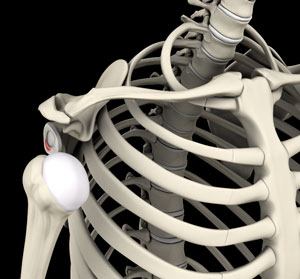
Shoulder instability surgery is a procedure designed to restore stability to the shoulder joint when it becomes loose or prone to dislocation. The shoulder is the most mobile joint in the body, which makes it vulnerable to instability when the ligaments or labrum are stretched or torn. The surgery typically involves repairing or tightening the structures that hold the shoulder in place, most often the labrum, capsule, and ligaments, to prevent future dislocations and improve overall shoulder function.
When is Shoulder Instability Surgery Recommended?
Surgery may be recommended when:
- The shoulder repeatedly dislocates or “pops out” despite physical therapy.
- There is a labral tear, such as a Bankart lesion, confirmed on imaging.
- The shoulder feels persistently loose or unstable during daily or athletic activities.
- There is significant damage to the joint structures from trauma.
- Non-surgical treatments have failed to restore stability.
How is Shoulder Instability Surgery Performed?
Most procedures are performed arthroscopically through small incisions using a camera and specialized instruments. The surgeon reattaches the torn labrum to the socket using sutures and anchors, and may tighten the capsule if it has become stretched. In more severe cases with bone loss, an open procedure such as a Latarjet may be needed to restore stability.
What to Expect During Recovery After Shoulder Instability Surgery
Recovery involves wearing a sling for several weeks to protect the repair, followed by a structured physical therapy program to regain motion and strength. Most patients return to normal activities within 4–6 months, though athletes may require longer before returning to sports.
What are the Risks of Shoulder Instability Surgery?
- Stiffness or limited range of motion
- Nerve injury
- Recurrent instability
- Infection
- Shoulder weakness
What are the Benefits of Shoulder Instability Surgery?
- Improved shoulder stability
- Reduced risk of future dislocations
- Restored strength and function
- Relief from pain and apprehension during movement
- Ability to safely return to sports and daily activities